Baseball Mom Heart Embroidery Review
As a designer who spends more time staring at stitch density charts and fabric swatches than watching actual baseball games, I approach every new design file with a healthy dose of skepticism. The market is flooded with "cute" graphics that look charming on a screen but turn into a tangled mess once the needle starts moving. That is exactly why I took Baseball Mom Heart for a test run. I wasn’t just looking for something to stick on a tote bag; I was evaluating whether this design holds up as a viable asset for a serious craft business or a high-end personalized gift.
First Impressions and Visual Personality
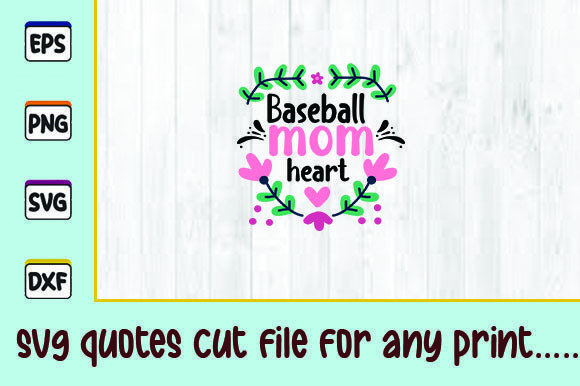
The moment you open the file, the intent is clear. This isn’t an abstract art piece; it’s a statement. The combination of the heart shape and the baseball motif taps directly into the emotional core of sports parenting. It feels nostalgic yet modern, striking that delicate balance between playful and polished. For designers, this visual personality is gold because it translates well across mediums. Whether you are creating a digital mockup for an Etsy listing or stitching a physical product for a client, the graphic has enough weight to stand out without feeling cluttered.
The layout suggests a strong focal point, which is crucial for embroidery. Unlike designs that rely on tiny, intricate details that might get lost in the weave of a heavy cotton sweatshirt, this design leans into bold shapes. It screams "readability," which is the first rule of successful wearable art. It feels like a design that belongs on a chest pocket of a varsity jacket or centered on the back of a baby onesie, commanding attention without shouting.
Real-World Application: The Custom Tote Scenario
To truly judge a machine embroidery design, you have to imagine it on a real product. Let’s say you are preparing a batch of custom embroidered tote bags for a local Little League sponsor package. You need something that looks professional, appeals to the target demographic, and stitches quickly so you can meet your deadline. Baseball Mom Heart fits this scenario perfectly.
When I visualized placing this on a canvas tote, the contrast potential became obvious. A dark navy bag with white and red threads would pop beautifully. However, the devil is always in the details. If you are using this as a tote bag design, you need to consider the placement. A large, dense fill stitch right in the center might make the bag feel stiff and heavy, especially if it gets wet. But used as an accent—perhaps paired with simple lettering above or below—it adds that touch of handmade warmth that customers love. It transforms a generic store-bought item into a personalized gift that feels curated and thoughtful.
This same logic applies to sweatshirt embroidery. Imagine a heather grey crewneck for a mom heading to her child’s game. The design adds a layer of identity to the garment. It’s not just clothing; it’s a uniform for family life. For small shop owners, this kind of versatile craft business asset is invaluable because it appeals to a broad audience without being too niche.
Technical Performance and Stitch Clarity
From a technical standpoint, how does the design behave under the hoop? The success of any embroidery project often hinges on stitch density and the quality of the satin stitches. In my evaluation, the lines appear clean, which suggests that the digitizing (if done correctly) respects the limits of thread tension. However, this is where caution is required.
If you are planning to use this on textured fabrics like terry cloth or thick fleece, you must be mindful of the stitch density. Dense areas can cause puckering on thinner materials, while sparse areas might show through on dark fabrics. I strongly advise testing the design on scrap fabric first. Check the thread colors against your specific fabric choice. A light pastel thread might disappear on a cream-colored shirt, ruining the visual impact. Conversely, a bright neon thread might clash with the classic vibe of the baseball theme.
Another critical factor is the hoop size. While the design is versatile, ensuring it fits comfortably within your machine’s standard hoops prevents unnecessary trimming and re-hooping. If the design includes fine details in the corners, inspect them closely. Sometimes, what looks like a solid line on a screen becomes jagged when stitched at high speeds. If you notice any gaps, you may need to adjust the stabilizer type—using a cut-away stabilizer for stretchy knits or a tear-away for woven cottons to maintain crisp edges.
Where to Exercise Caution
Not every surface is created equal. There are specific scenarios where Baseball Mom Heart might struggle:
- Small Hoop Sizes: If you are working with a compact 4x4 inch hoop, ensure the entire design fits without crowding. Tight spacing can lead to thread breaks.
- Curved Surfaces: Applying this to caps or hats requires careful positioning. The curvature can distort straight lines, so plan your placement meticulously.
- Thin or Stretchy Fabrics: Without proper support, these materials can pucker around the fill stitch areas. Always use a suitable stabilizer.
- Dense Stitch Areas: Avoid placing overly dense sections on items that will undergo frequent washing, such as bibs or burp cloths, as the stiffness might become uncomfortable for a baby.
Impact on Product Value and Brand Consistency
For Etsy sellers and digital product sellers, the aesthetic quality of the design directly influences buyer trust. A clean, well-executed handmade product signals professionalism. When customers see a finished item that matches the quality of the printable mockup they viewed online, their confidence in your brand grows. Baseball Mom Heart offers that level of polish. It doesn’t look like a rushed job; it looks intentional.
This design also enhances the giftability of your products. Personalized gifts are all about emotion. The heart symbol combined with the baseball theme communicates care and support instantly. It resonates with parents who want to celebrate their children’s achievements. By offering this design, you are tapping into that emotional connection, which can justify a higher price point for your small shop product.
Furthermore, consistency matters. If you are building a brand around sports-themed apparel, having a reliable library of designs like this helps maintain a cohesive look across your design assets. Customers recognize your style, and that recognition drives repeat business. Whether you are creating holiday embroidery collections or year-round custom apparel, having versatile files ensures you can keep your inventory fresh without starting from scratch every season.
Practical Designer Notes for Success
Before you rush into production, here are a few essential steps to ensure your finished product shines:
- Test on Scrap Fabric: Never assume a design will work on your final material. Test it first to check for tension issues.
- Review Stitch Density: Look closely at the fill areas. Are they too dense for the fabric weight?
- Confirm Hoop Size: Make sure the design dimensions align with your available hoop sizes to avoid awkward cropping.
- Inspect Small Details: Zoom in on the screen, then zoom in on the stitched sample. Are the tiny elements legible?
- Check Licensing: If you plan to sell the finished items, confirm the licensing terms for the digital embroidery file. Some designs are for personal use only.
- Compare Backgrounds: Use black and white mockups to ensure contrast is sufficient on both light and dark fabrics.
In conclusion, Baseball Mom Heart is a strong contender for anyone in the graphics and crafts space looking to add value to their offerings. It balances charm with clarity, making it suitable for everything from apron embroidery to commercial embroidery projects. Just remember that good design is only half the battle; execution is key. With proper planning, the right stabilizer, and a keen eye for detail, this design can help you create beautiful, marketable products that customers will love.