MOM Sorry I m Late I Have Kids Embroidery Review
As a designer who spends more time than I care to admit staring at stitch paths and thread tension settings, I approach every new machine embroidery design with a healthy dose of skepticism. We are all bombarded with thousands of digital files, but few actually translate well from the screen to the fabric. Today, I am putting MOM Sorry I m Late I Have Kids under the microscope. This is not just about whether it looks cute in a preview window; it is about whether it holds up when you are running a craft business, fulfilling custom orders for Etsy sellers, or creating personalized gifts for friends.
The premise is simple: relatable humor meets maternal reality. The phrase "Sorry I'm late, I have kids" is a staple in modern parenting culture. It resonates because it is true. But does that resonance survive the translation process into physical form? Let us dive into how this embroidery file performs in real-world scenarios, what kind of handmade product it suits best, and where you might run into trouble if you are not careful.
First Impressions and Visual Personality
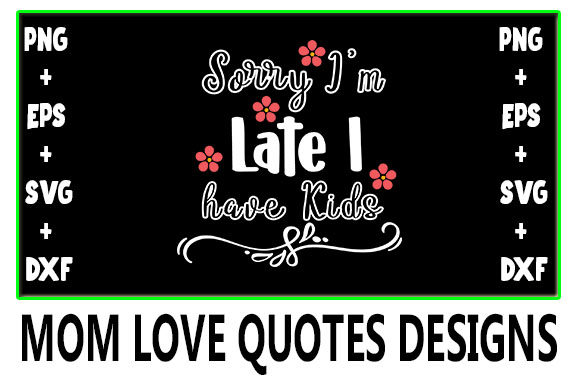
When you first load the DIGITAL EMBROIDERY FILE into your hoop planning software, the layout immediately signals its intent. It is not trying to be high art; it is trying to be conversation-starting. The visual personality is casual, slightly chaotic, and undeniably fun. For designers looking to add a touch of wit to their small shop product line, this design offers an immediate emotional connection. It feels like something a busy mom would proudly wear while grabbing coffee or rushing to drop kids off at school.
The text-based nature of this design means that typography is king. In my experience, text designs are often the hardest to execute perfectly because there is nowhere to hide mistakes. If the kerning is off or the stitch density is too high on thin letters, the message becomes muddy. From what I can see in the vector previews (available as EPS), the spacing appears balanced enough to remain legible even after slight distortion during the stretching of fabric texture. It has a bold, confident presence that works well for custom apparel where visibility is key.
Real-World Application: Where Does It Shine?
So, where should you place this design? I tested the concept mentally across several common categories, and some stand out far more than others.
- Tote Bag Design: This is perhaps the strongest use case. A canvas tote bag provides a flat, stable surface that handles text beautifully. When paired with sturdy thread colors, this design becomes a functional accessory that doubles as a statement piece. It fits perfectly into the craft business market for parents who need practical bags that also express their identity.
- Sweatshirt Embroidery: Think cozy, oversized hoodies or crewnecks. The humor pairs exceptionally well with comfortable loungewear. The contrast between the soft fabric and the structured embroidery adds a tactile element that customers love. It is perfect for holiday embroidery gifts or birthday presents for the mom who has everything.
- Baby Embroidery: While the quote is funny for the parent, it can also work as a gift for a baby shower or nursery decor. However, the tone here shifts from "relatable struggle" to "ironic future." Placing this on a onesie or a blanket requires a softer color palette—think pastels or creams—to keep it from feeling too aggressive for a newborn item.
- Embroidered Patch: Converting this into a patch for a denim jacket or a backpack is a smart move. Patches allow for creative borders and backing options, giving you more control over the final look. It transforms the design into a durable badge of honor for any mom.
For Etsy sellers and digital product sellers, offering this as part of a bundle with other mom quotes designs can increase average order value. It is versatile enough to appear on kitchen towels, aprons, and even pillow covers for the living room couch.
Technical Considerations and Potential Pitfalls
No design is without its challenges, and being honest about these limitations is crucial for maintaining customer trust. Here is where you need to pay close attention.
Small Hoop Sizes and Detail Loss
If you attempt to digitize or scale this down for a small hoop size, such as 4x4 inches, you risk losing clarity. Small lettering can merge together, especially if you are using a satin stitch for the outlines. Always test the design in black and white mockups to check legibility. If the text becomes unreadable, it fails its primary purpose. For tiny applications, consider simplifying the design or removing decorative elements.
Fabric Texture and Stability
This design relies on clean lines. On highly textured fabrics like chunky knits or bouclé, the embroidery may get lost in the weave. Similarly, stretchy fabrics like jersey require a strong stabilizer to prevent puckering. If the base fabric distorts, the text will warp, making the joke less effective. Always use proper stabilizer and consider tear-away or cut-away depending on the fabric weight.
Thread Color Contrast
Contrast is non-negotiable. Dark thread on dark fabric is a recipe for disaster unless you are using metallics or specialty threads that catch the light. Light thread on light fabric suffers the same fate. When choosing thread colors, ensure there is enough difference between the background and the design. I recommend testing on scrap fabric first to confirm visibility under different lighting conditions.
Stitch Density and Durability
While the specific stitch count is not provided in the source data, you must inspect the density yourself. High-density areas can lead to stiff, uncomfortable garments, especially on children's clothing or delicate items. If the design uses too much fill stitch in certain areas, it may feel like plastic against the skin. Check whether the design works for both personal and commercial projects by ensuring it balances aesthetics with comfort.
Impact on Brand and Customer Perception
Using a design like MOM Sorry I m Late I Have Kids affects more than just the look of the product; it influences buyer engagement. Customers buy into stories. This design tells a story of chaos, love, and humor. It makes the finished product feel personal and empathetic. For boutique branding, associating your shop with relatable, lighthearted content can build a loyal community. People want to support brands that understand their daily lives.
However, professionalism matters. Ensure your finishing is impeccable. Loose threads, uneven edges, or poor alignment can undermine the quality of the message. A well-executed finished product elevates the brand, while a sloppy one can damage reputation. Use high-quality threads and invest time in trimming and pressing.
Practical Designer Notes for Success
Before you start mass-producing items with this design, follow these steps to ensure success:
- Test on Scrap Fabric: Never assume a design will work perfectly. Run a sample through your machine on the actual fabric you plan to sell.
- Check Licensing: Confirm licensing before selling finished items or digital products. Ensure you have the right to use this design asset commercially.
- Inspect Small Details: Zoom in on the digital file. Are there any tiny bits that might break during stitching?
- Compare Backgrounds: Test the design on both light and dark fabric backgrounds to see how it adapts.
- Create Printable Mockups: Before investing in inventory, create realistic mockups for your online store. This helps gauge customer interest without risking production costs.
In conclusion, MOM Sorry I m Late I Have Kids is a solid addition to any embroidery project library aimed at the parenting niche. It is relatable, visually clear, and versatile across multiple product types. By paying attention to technical details like stitch density, fabric choice, and stabilization, you can turn this simple quote into a best-selling item. It is a reminder that sometimes, the most successful designs are the ones that make us laugh at our own messy, beautiful lives.