Sarape Mom Life Sublimation Review
As a designer who spends half my life in the embroidery hoop and the other half worrying about whether a client’s vision will actually survive the digitizing process, I approach every new graphic with a healthy dose of skepticism. We have all seen designs that look stunning on screen but turn into a muddy, unrecognizable mess once they hit the fabric. Today, I am putting Sarape Mom Life Sublimation under the microscope to see if it holds up in the real world of commercial embroidery, boutique merchandising, and personalized gifting.
This isn't just another generic "mom life" quote file. The title suggests a fusion of cultural vibrancy and modern parenting sentiment, which is a tricky balance to strike. My goal here is to evaluate its potential for real projects—from custom sweatshirts to baby gifts—and determine where this design shines and where it might cause headaches for the stitcher.
First Impressions and Visual Personality
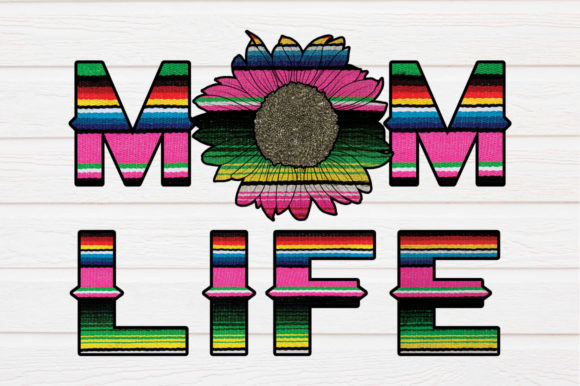
The moment you load Sarape Mom Life Sublimation onto your workspace, the mood is immediately established. It carries the warmth and energy associated with traditional sarape patterns—bold colors, geometric rhythm, and festive flair—but tempered by the relatable, often chaotic humor of modern motherhood. For a craft business owner or Etsy seller, this duality is gold. It appeals to two distinct demographics: those who appreciate vibrant, artistic aesthetics and those looking for humorous, relatable apparel.
Visually, the layout feels balanced. It does not scream for attention in a cheap way; rather, it invites the viewer in. The design personality is confident yet approachable. This makes it an excellent candidate for custom apparel that needs to stand out on a rack at a craft fair without looking cluttered. However, because it relies heavily on color and pattern complexity, we must consider how these elements translate from a digital pixel grid to thread on fabric.
Real-World Application: Where This Design Fits Best
In my experience, the success of an embroidery project is largely dictated by the substrate. Sarape Mom Life Sublimation performs exceptionally well on structured, medium-to-heavy weight fabrics. Here is how I envision this design being used in practical scenarios:
- Boutique Sweatshirts and Hoodies: The most natural home for this design is a heavyweight cotton blend crewneck or hoodie. The structure of the garment supports the visual weight of the sarape pattern, and the cozy aesthetic aligns perfectly with the "mom life" theme. It creates a premium feel that customers are willing to pay for.
- Personalized Gifts and Baby Items: For baby embroidery, such as onesies or burp cloths, this design offers a splash of color that breaks away from the usual pastels. It works beautifully as a gender-neutral gift option. When stitched onto soft jersey or flannel, the contrast between the delicate fabric and the bold graphic creates a lovely tactile interest.
- Tote Bag Designs: Canvas totes are a staple for the Etsy seller. Placing Sarape Mom Life Sublimation on a sturdy canvas tote adds immediate value. It transforms a basic accessory into a statement piece. Just ensure the bag has enough surface area so the details do not get lost.
- Holiday Embroidery and Kitchen Towels: The festive nature of the sarape motif makes this a strong contender for holiday-themed merchandise. Think Christmas stockings, kitchen towels, or aprons. The design brings a celebratory vibe that fits well in domestic settings, appealing to buyers looking for personalized gifts for housewarmings or hostess presents.
Technical Challenges and Critical Considerations
While the visual appeal is high, we must address the technical realities. The product description notes that this is a PNG file with a transparent background and cannot be converted to SVG due to shadowing and inseparable pieces. This is a crucial detail for any machine embroidery design specialist. Because the file is raster-based and likely features complex shading or gradients (implied by the "sublimation" reference), converting it directly to vector paths for stitching can result in jagged edges or unintended artifacts.
When evaluating this for commercial embroidery, you must consider the following pitfalls:
- Small Hoop Sizes: Avoid attempting this design in hoops smaller than 4x4 inches. The intricate details of the sarape pattern will collapse into indistinguishable blobs. You need space for the eye to resolve the shapes.
- Textured and Stretchy Fabrics: Do not use this on highly textured fabrics like chunky knits or stretchy spandex blends unless you are using a heavy-duty stabilizer. The design requires a smooth, stable surface to maintain its integrity. On curved surfaces like caps, the distortion may warp the central message, making it harder to read.
- Dense Stitch Areas: If the design includes dense fill stitches to replicate the colorful pattern, it may become stiff and uncomfortable against the skin. This is particularly important for baby clothes or items intended for prolonged wear. Always check the stitch density before finalizing the order.
- Fabric Color Contrast: This design demands careful consideration of background fabric. On dark fabrics, lighter threads may require excessive underlay, leading to puckering. On light fabrics, darker threads might bleed through if the backing is not properly managed. Test your thread colors rigorously.
Design Assets and Professional Presentation
For design assets and mockups, this file is versatile. Since it is a high-resolution PNG, you can easily place it on various backgrounds for printable mockups to showcase your small shop product line. However, remember that what you see on screen is not always what you get in thread. The "shadowing" mentioned in the description suggests depth that embroidery machines simulate through layering, which can sometimes look flat or muddy if not digitized correctly.
To ensure customer trust and a professional finish, I recommend the following workflow:
- Test on Scrap Fabric: Never commit to a final product without running a test stitch-out on the actual fabric you plan to sell. Check for thread breaks, tension issues, and color accuracy.
- Black and White Mockup: View the design in grayscale to check contrast levels. If the design loses definition in black and white, it will likely struggle in color embroidery where adjacent similar tones might merge.
- Stabilizer Selection: Use a cut-away stabilizer for woven fabrics and a tear-away for knits, depending on the garment's stretch. Proper stabilization is non-negotiable for maintaining the sharpness of the satin stitch edges.
- Licensing Verification: Before listing this as a craft business item, double-check the licensing terms. Ensure you are permitted to sell finished goods made from this design. Many digital graphics have restrictions on commercial use that differ from personal use rights.
Final Verdict
Sarape Mom Life Sublimation is a visually striking asset that brings a unique blend of cultural warmth and modern humor to the table. It is best suited for custom apparel, tote bag designs, and holiday embroidery projects where the fabric can support its visual weight. While it requires careful handling regarding digitization and fabric choice, the payoff in terms of customer engagement and perceived value is significant.
For the experienced embroiderer willing to invest time in testing and setup, this design offers a compelling opportunity to create standout handmade products. It avoids the trap of being generic by offering a specific aesthetic that resonates with a niche audience. Just remember: respect the file limitations, choose your fabric wisely, and always prioritize stitch quality over speed. When executed correctly, this design can elevate a simple garment into a cherished personalized gift that customers will love wearing and showing off.